
For most single-shift indoor operations, an electric forklift costs less to own over its working life. For multi-shift work, outdoor yards, and heavy or rough-terrain duty, diesel usually still wins on total cost and practicality.
That is the short version. The longer answer depends on how many hours your truck runs per day, where it works, and what you are lifting — and getting it wrong is expensive in both directions. Buying diesel for a clean indoor warehouse means paying for ventilation and fuel you did not need. Buying electric for a two-shift yard operation means either buying spare batteries or watching the truck sit on charge while work waits.
This guide sets out how to make that decision on your own numbers.
The Cost Comparison Nobody Shows You
Purchase price is where most comparisons stop. It is also the least useful number, because the two truck types spend money in completely different places over a five to seven year life.
Where a diesel forklift spends money
Fuel is the largest running cost and the most visible. Consumption scales with load and duty cycle, and diesel price volatility is a real planning problem for operations running multiple trucks.
Engine maintenance is continuous: oil and filter changes, air filters, fuel filters, coolant, belts, and injector service. Every one of these is a scheduled cost and a scheduled downtime window.
Emission compliance varies by market but is increasingly a real cost. Where regulation applies, the engine specification, certification documentation, and in some cases after-treatment systems all add to the purchase price.
Ventilation is the cost buyers forget. Running a diesel truck indoors requires adequate air exchange, and in enclosed warehouses that means either existing ventilation capacity or an investment in it.
Where an electric forklift spends money
Electricity is the running cost, and it is typically well below diesel fuel cost per hour of work. This is the headline advantage and it is real.
Battery replacement is the cost that surprises people. A lead-acid battery is a consumable with a finite service life, and replacing it is a significant expense — often a meaningful fraction of the truck’s original price. Lithium batteries last considerably longer but cost more upfront.
Charging infrastructure is a one-time cost that varies enormously by site. A single truck on a standard charger is straightforward. A fleet needing simultaneous overnight charging may require electrical supply upgrades, dedicated charging bays, and in the case of lead-acid, a ventilated battery room.
Battery handling applies to lead-acid operations running multiple shifts: spare batteries, a changing station, and the labour to swap them. This is a category of cost that does not exist on a diesel truck at all.
What this means in practice
The comparison usually resolves on utilisation. A truck working four hours a day rarely justifies diesel’s running costs. A truck working sixteen hours a day makes electric’s battery and charging requirements expensive and operationally awkward — unless you are running lithium, which changes the calculation (more on that below).
The Question That Decides It: How Many Shifts?
If you take one thing from this guide, make it this. Shift pattern determines the answer more reliably than any other factor.
Single shift, eight hours or less. Electric is usually the right answer. One battery charges overnight and works all day. Running costs are low, there are no emissions indoors, noise is minimal, and maintenance is limited compared with a combustion engine.
Double shift, roughly sixteen hours. This is where it gets complicated. A lead-acid truck needs either a second battery and a changing station, or an opportunity-charging routine that shortens battery life. Both add cost and complexity. A lithium truck can often handle two shifts with opportunity charging during breaks. A diesel truck simply refuels in three minutes and keeps working.
Three shifts or continuous operation. Diesel or lithium electric. Lead-acid is impractical at this duty level without a battery-swap operation that most sites do not want to run.
Intermittent or seasonal use. Electric, with a caveat: lead-acid batteries degrade when left discharged or unused for long periods. If the truck sits for months, maintenance discipline matters, and lithium tolerates this better.
Lead-Acid or Lithium? Two Very Different Electric Trucks
Buyers often treat “electric” as a single option. It is two, and the difference between them is larger than the difference between a basic and a premium diesel truck.
Lead-acid
Lower purchase price. The reason it remains the volume choice worldwide.
Requires a full charge cycle. Typically eight hours charging plus a cooling period before use. Opportunity charging — plugging in during breaks — shortens battery life significantly on lead-acid chemistry.
Needs maintenance. Water topping-up on flooded batteries, terminal cleaning, and equalisation charging. Skipping this shortens life sharply.
Ventilation requirement. Charging produces hydrogen, which means charging areas need adequate ventilation.
Battery weight is functional. On a forklift, the battery is part of the counterweight. This matters if you ever consider changing battery type — you cannot simply swap a lead-acid battery for a lighter lithium pack without addressing the weight difference.
Lithium
Higher purchase price, longer service life. Typically several times the cycle life of lead-acid, which changes the total cost picture substantially over a long ownership period.
Opportunity charging without penalty. Plug in during breaks and lunch, top up whenever the truck is idle. This is what makes lithium viable for multi-shift work without spare batteries.
No watering, no equalisation, no battery room. Maintenance is minimal and charging does not produce hydrogen.
Faster charging. Depending on the charger, substantially faster than lead-acid.
Higher upfront cost is the barrier. For a single-shift operation with modest hours, lead-acid often still makes better financial sense simply because the truck will never accumulate enough cycles to justify the lithium premium.
The decision rule: low hours and single shift favours lead-acid on cost. High hours, multi-shift, or operations where battery changing is unacceptable favours lithium.
Where Diesel Still Clearly Wins
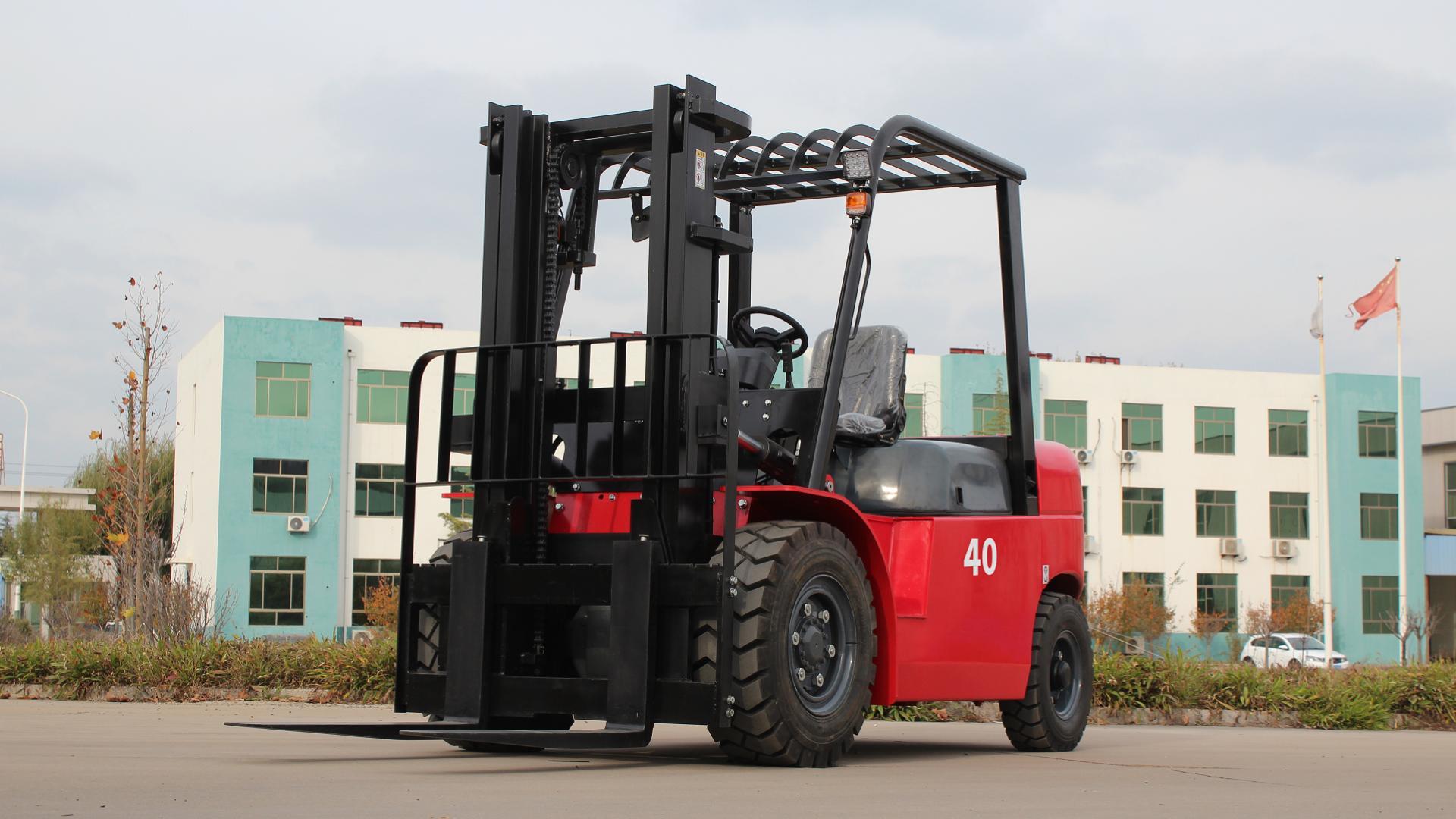
Electric forklift capability has improved substantially, but there are applications where diesel remains the practical choice rather than the traditional one.
Outdoor yards in poor weather. Rain, mud, and uneven ground. Diesel trucks with pneumatic tyres handle this in a way most indoor-specified electric trucks do not.
Rough or unpaved surfaces. Ground clearance, tyre options, and drivetrain robustness favour diesel in this environment.
Heavy capacity requirements. As capacity increases, diesel trucks tend to remain the dominant and often the only practical option — the battery weight and power demands of very high capacity electric trucks push cost sharply upward.
Continuous heavy duty. Long shifts, sustained high loads, and demanding cycles where refuelling in minutes beats any charging strategy.
Sites without adequate electrical supply. Remote locations, temporary sites, and operations where installing charging infrastructure is impractical.
Cold storage and extreme temperatures. Battery performance drops in cold conditions. This is manageable with the right specification, but it is a factor that needs addressing rather than ignoring.
Where Electric Clearly Wins
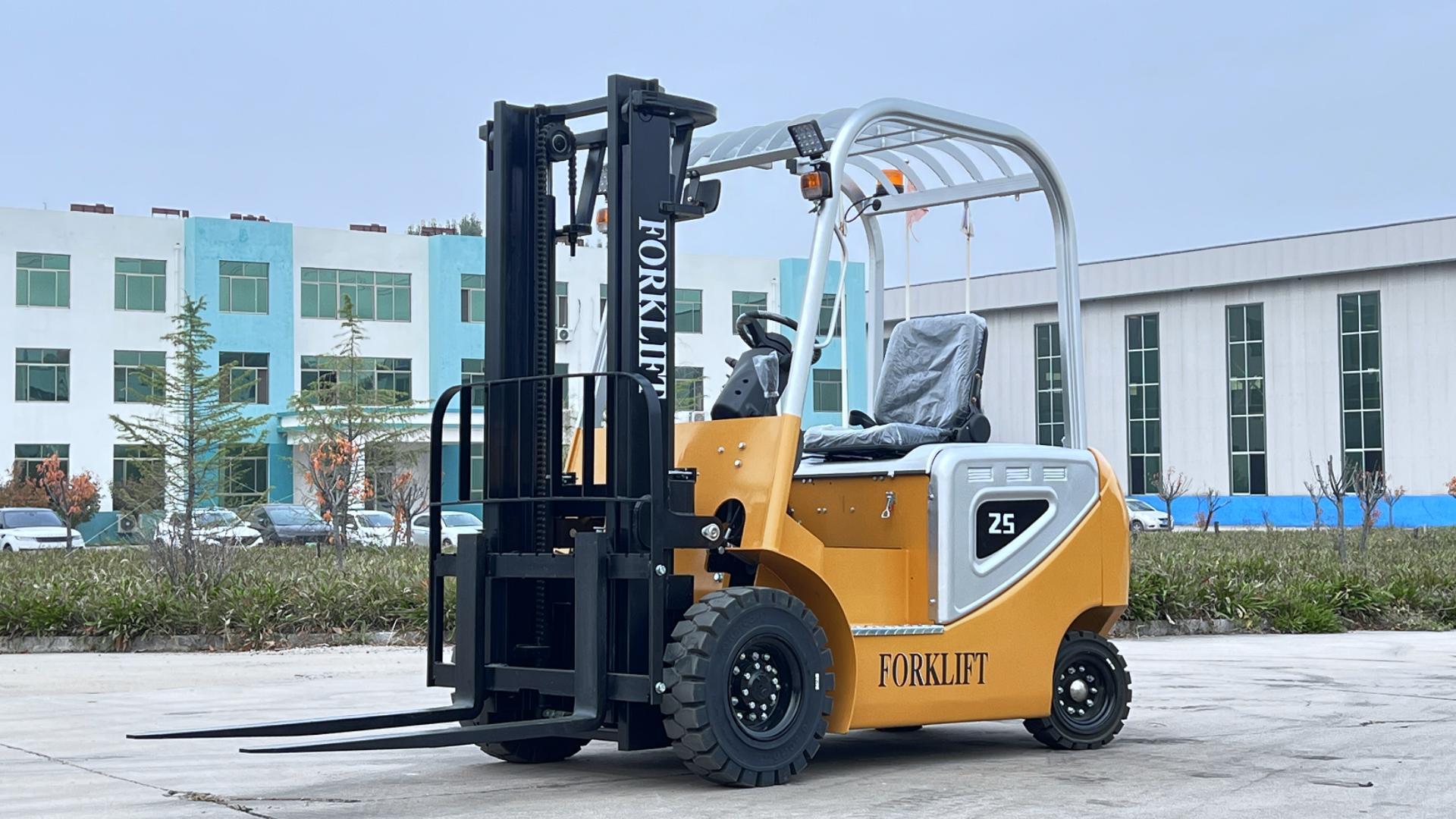
Any indoor application. Food handling, pharmaceuticals, retail distribution, cold chain, and general warehousing. Emissions indoors are a health and regulatory issue, not a preference.
Noise-sensitive environments. Operations near residential areas, night shifts, and workplaces where noise exposure is regulated.
Sites with clean, level floors. The environment electric trucks are designed around, where their handling advantages show.
Operations tracking sustainability metrics. Increasingly a procurement requirement rather than a preference in some supply chains.
Low to moderate hours. Where the running cost advantage accumulates without pushing into the battery-management complexity of multi-shift work.
What Buyers Get Wrong
Comparing purchase price only. The five-year cost difference between a diesel and an electric truck doing the same work is often larger than the purchase price gap, and it can run in either direction depending on utilisation.
Underestimating charging infrastructure. Particularly for fleets. Six trucks charging simultaneously overnight is an electrical load that needs planning, not an assumption.
Forgetting battery replacement in the budget. A lead-acid battery has a defined service life. Plan for its replacement in the ownership cost, not as a surprise in year four.
Buying electric for outdoor work without specifying for it. Tyres, sealing, and ground clearance all matter outdoors. An electric truck can work outdoors; a warehouse-specified electric truck often cannot.
Assuming lithium is always better. It is better for high-utilisation operations. For a truck working four hours a day, the cycle life advantage may never be realised before the truck itself is replaced.
Ignoring capacity derating. Attachments, high lift heights, and load centre distances all reduce a truck’s usable capacity. Specify against your actual load and lift height, not the headline rated capacity.
How to Decide: A Practical Sequence
- Count the hours. Daily operating hours and shift pattern. This single figure eliminates most options immediately.
- Define the environment. Indoor, outdoor, mixed. Surface condition. Temperature range. Ventilation availability.
- Confirm the load. Actual weight, load centre, and required lift height — then check capacity derating at that height, not just rated capacity.
- Assess the electrical supply. For electric, what charging can the site support today and what would an upgrade cost?
- Price the full ownership period. Purchase, fuel or electricity, maintenance, battery replacement if applicable, and infrastructure. Five years is a reasonable horizon.
- Then compare trucks. Only after the above narrows the field to one type.
Buyers who follow this sequence rarely regret the decision. Buyers who start by comparing quotations sometimes buy the wrong type of truck at a good price.
Frequently Asked Questions
Is an electric forklift cheaper than a diesel forklift?
The purchase price is often comparable or higher for electric, particularly with lithium batteries. Running costs are typically lower — electricity costs less per hour than diesel, and maintenance is reduced. Whether the total is cheaper depends primarily on utilisation: high-hour single-shift operations usually favour electric, while multi-shift operations without lithium can find the battery and charging requirements erode the advantage.
Can an electric forklift work outdoors?
Yes, with the right specification. Tyre selection, sealing against water and dust, and ground clearance all need to suit the environment. A truck specified for smooth indoor warehouse floors will struggle in a wet, uneven yard. Discuss the working environment when specifying rather than assuming an electric truck is an indoor-only machine.
How long does a forklift battery last?
Lead-acid batteries have a defined cycle life and typically need replacement within a few years of regular use, depending on charging discipline, depth of discharge, and maintenance. Lithium batteries offer substantially longer cycle life. In both cases, actual life depends heavily on how the battery is charged and how deeply it is discharged in daily use.
Can I run a diesel forklift indoors?
It depends on ventilation and local regulation. Diesel exhaust in an enclosed space is both a health issue and, in many jurisdictions, a regulated one. Some operations run diesel trucks in well-ventilated indoor spaces; many cannot. Check your local requirements and your building’s air exchange capacity before assuming it is an option.
Should I choose lead-acid or lithium?
Lead-acid costs less upfront and suits single-shift operations with moderate hours. Lithium costs more but charges faster, tolerates opportunity charging without shortening its life, requires no watering or battery room, and lasts considerably longer. The more hours the truck works, the stronger the lithium case becomes. For a truck working a few hours a day, lead-acid usually remains the more economical choice.
What capacity forklift do I need?
Start with your actual heaviest load, then check the load centre — the distance from the fork face to the load’s centre of gravity. Rated capacity assumes a standard load centre, and loads that extend further forward reduce usable capacity. Lift height and attachments also derate capacity. Specify against your real conditions rather than the headline figure.
Getting a Quotation That Reflects Your Operation
A useful forklift quotation depends on information most buyers do not think to provide. Sending the following produces a specification that fits rather than a generic price:
Information to include with your enquiry
- Application (indoor / outdoor / mixed)
- Daily operating hours and shift pattern
- Heaviest load and load centre
- Required lift height
- Floor and ground conditions
- Power preference (diesel / lead-acid / lithium / undecided)
- Charging capacity available on site (if electric)
- Attachments required
- Destination country and port
- Expected quantity
We manufacture both diesel and electric forklifts across a range of capacities, which means we have no reason to push you toward one type. Tell us how the truck will actually be used and we will tell you which configuration fits — including the honest answer if that is a truck type you were not expecting.
Need a recommendation based on your duty cycle? Send your operating requirements to the HONGLI sales team for a matched diesel, lead-acid, or lithium configuration.