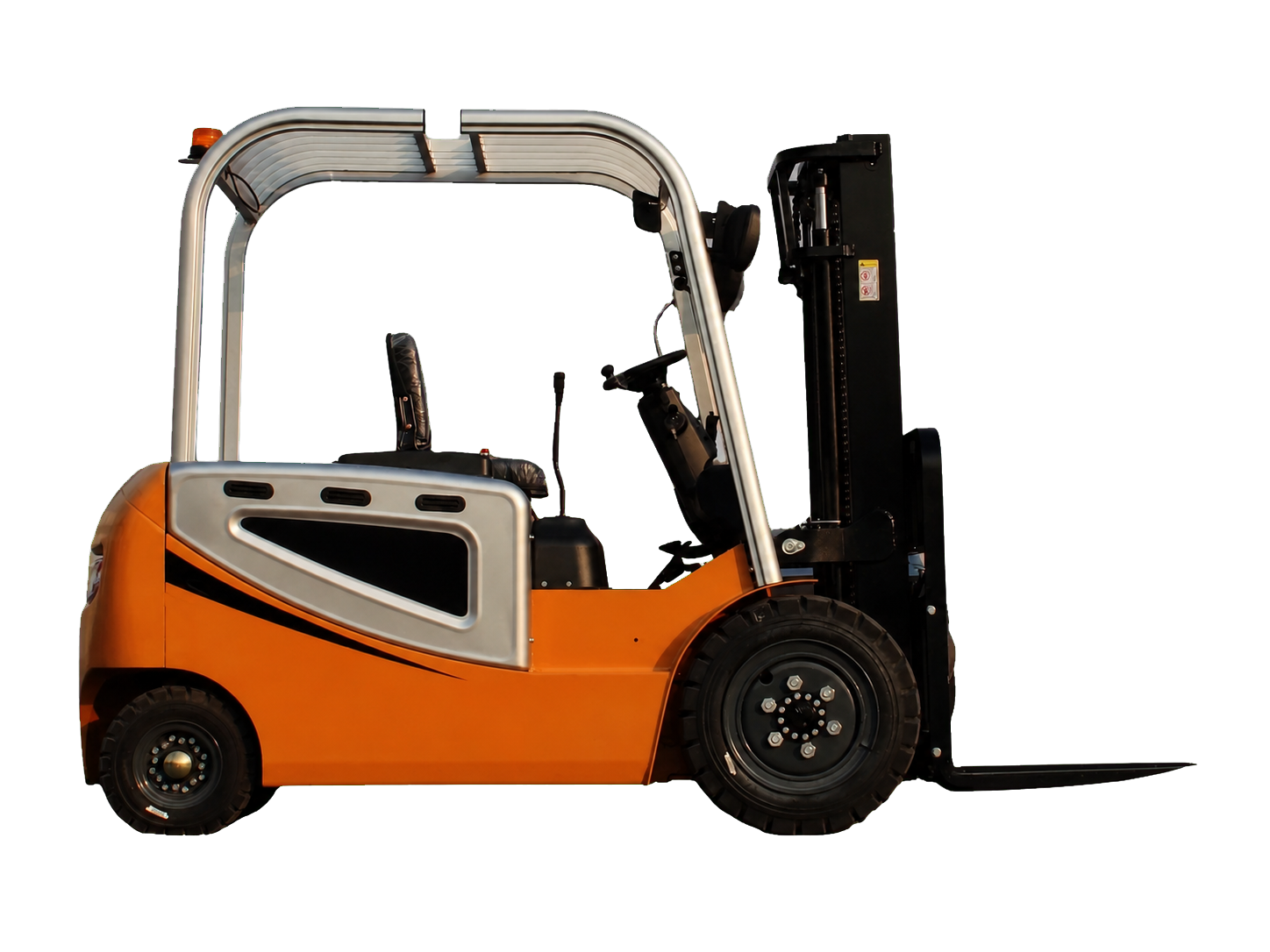
When to Choose the 3.5 Ton Electric Model
Choose the HLCPD35-C when verified loads require more margin than a 3 ton truck and the workplace favors quiet electric operation with planned charging.
- Check the heaviest load at the stated 500 mm load centre.
- Compare the 2,300 mm turning radius with working space.
- Confirm floor loading, ramps and shift pattern.
Residual Capacity and Attachment Check
Long loads, high masts and attachments can reduce usable capacity. A 3,500 kg nominal rating should not replace a load-geometry review.
- Send load weight, length, width and centre of gravity.
- State maximum lift and lowered mast clearance.
- Identify fork length and hydraulic attachment needs.
Battery and Charger Selection
The source specification lists a 60–72V / 260Ah lead-acid battery and 13 kW AC drive, with lithium optional. Select the system around working hours, charging breaks, temperature and local electrical supply.
- Provide voltage, frequency and plug requirement.
- Describe charging windows and multi-shift use.
- Confirm battery, charger and cable details before production.
Export, Packing and Support
The quotation should identify battery, charger, mast, tyres, forks, attachments, packing, Incoterm, destination port, warranty scope and documents. Keep model and serial information for later parts identification.
MOQConfirm with configuration
Lead TimeConfirm with configuration
Warranty12 months
CertificateAvailable on request
What is the rated capacity of the HLCPD35-C?
The rated capacity is 3,500 kg at a 500 mm load centre. Usable capacity must be checked for long loads, high lifts and attachments.
What battery and drive system does it use?
The source specification lists a 60–72V / 260Ah lead-acid battery and 13 kW AC drive, with lithium optional. Confirm the final battery and charger for the duty cycle.
How does it differ from the HLCPD30-C?
The HLCPD35-C provides a 3,500 kg rating and a larger source drive configuration. Choose using actual load geometry, residual capacity, space and duty cycle.
Can a higher mast or attachment be fitted?
Compatible options can be reviewed, but their effect on residual capacity and overall dimensions must be checked before quotation.
What are the MOQ and lead time?
MOQ and lead time depend on battery, charger, mast, attachments, branding and quantity. They are confirmed in the configured quotation.
What information should the RFQ include?
Include load dimensions, load centre, lift height, aisle width, shift hours, charger input, attachments, quantity and destination port.